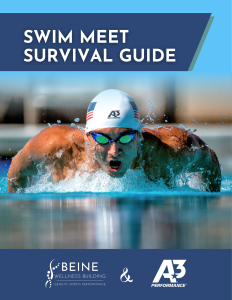

As competitive swimmers, the pursuit of peak performance is relentless. Endless laps, rigorous training, and grueling competitions demand not only physical prowess but also optimal nutrition to fuel and recover. Throughout my journey as an athlete, in high school, college, and professionally, supplementation wasn’t a priority. I was never consistent nor did I know what to take or why I needed them. Had I known the benefits and difference that it would make in my swimming career, supplementation would have been a staple in my routine.
Being an athlete made supplementation all the more necessary and I neglected to give my body the nutrients it was lacking. I was constantly tired, struggled to recover, and hardly ever felt 100% outside of training. I assumed this was part of being an athlete and committing to discomfort. While I was able to perform and train better than I could have imagined, looking back now, I know supplementation would have transformed my well-being in and out of the water. Now that I have gone through genetic testing and have a better understanding as to how my body operates and what it uniquely needs, supplementation has become part of my day to day.
Here are some take aways from supplementation that I believe every athlete should understand:
Individualized Approach: Recognize that supplementation needs vary among athletes based on factors like training intensity, dietary habits, and personal health goals.
Quality Matters: Prioritize quality when selecting supplements to ensure purity, potency, and sport safety. Look for products with an NSF, Informed-Sport, Informed Choice, and/ or BSCG label.
Supplement Wisely: While supplements can complement a balanced diet, they should not replace whole foods. Focus on essential nutrients from a diverse array of fruits, vegetables, lean proteins, whole grains, and healthy fats, using supplements to fill potential gaps.
Consistency and Monitoring: Consistency is key to realizing the benefits of supplementation. Establish a routine and monitor how supplements impact your performance, recovery, and overall well-being over time. Adjustments may be necessary based on evolving goals, training demands, and feedback from your body.
Supplementation offers a strategic approach to complement the nutritional needs of competitive swimmers, supporting performance, recovery, and overall health. However, it’s essential to emphasize that supplementation should be tailored to individual needs. Let’s explore a few specific supplements that can benefit swimmers:
Omega-3 Fish Oil: Omega-3 fatty acids, found abundantly in fish oil supplements, offer anti-inflammatory properties and support cardiovascular health. Incorporating omega-3s into your diet can reduce exercise-induced inflammation, promote joint health, and enhance recovery between workouts.
Electrolyte Hydration Supplements: During intense exercise, electrolyte losses through sweat can compromise hydration and performance. Electrolyte supplements containing sodium, potassium, magnesium, and chloride help maintain fluid balance, support muscle function, and prevent dehydration-related performance declines.
Vitamin D: Vitamin D plays crucial roles in bone health, immune function, and muscle function. Swimmers, especially those training indoors or in regions with limited sunlight, may benefit from vitamin D supplementation to maintain optimal levels and support overall health and performance.
Supplementation is a cornerstone of many training regimens, offering targeted support to optimize performance, recovery, and overall health. Understanding the essentials can empower you to make informed choices that align with your goals and needs!